
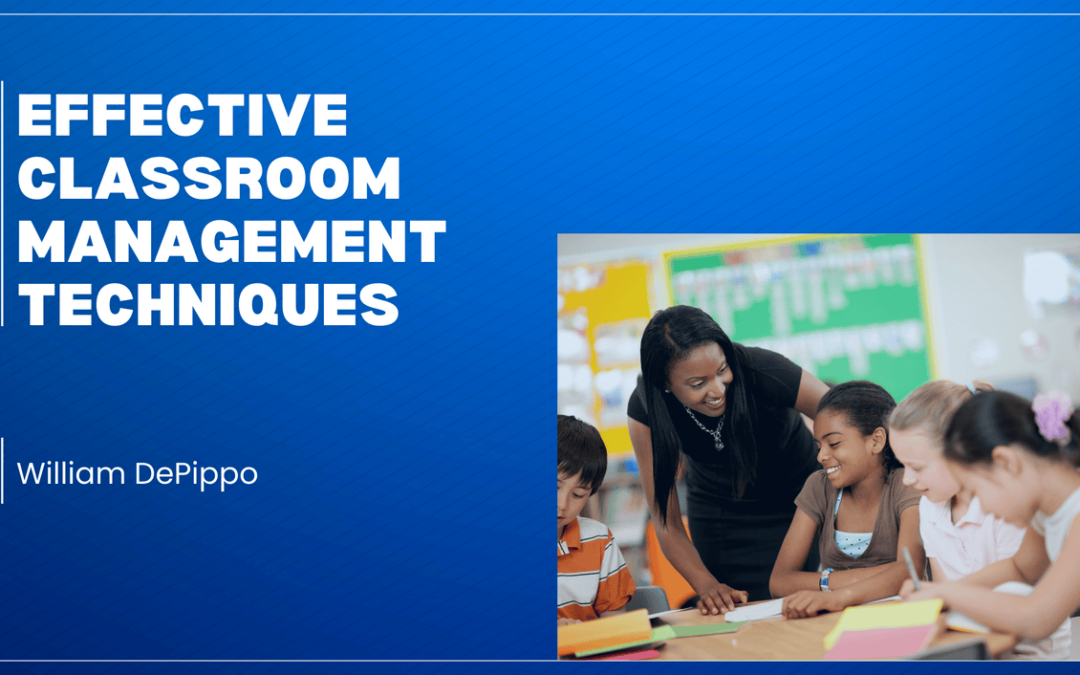
Classroom management is the foundation of a productive and respectful learning environment. When students feel safe, supported, and engaged, they are more likely to participate actively and learn effectively. Teachers who use strong classroom management techniques can minimize disruptions, maximize instructional time, and create a positive atmosphere that encourages growth and collaboration.
Establishing clear expectations from the beginning of the school year sets the tone for behavior and academic responsibility. When students understand what is expected of them—whether it’s how to participate in discussions, turn in assignments, or treat their peers—they are more likely to follow those guidelines. Rules should be consistent, fair, and age-appropriate, and teachers should involve students in the rule-setting process when possible to encourage buy-in and accountability.
Building strong relationships with students is at the heart of effective classroom management. When students feel respected and valued by their teacher, they are more likely to respect the rules and respond positively to guidance. Taking time to learn about each student’s interests, strengths, and challenges fosters trust and connection. A warm and inclusive environment reduces anxiety and behavioral issues, creating space for learning and personal growth.
Consistency is a critical factor. Students thrive when routines are predictable and consequences are applied fairly. Whether it’s starting class with a warm-up activity or following a structured transition between lessons, routines help students know what to expect and reduce opportunities for confusion or disruption. When a rule is broken, consequences should be enforced consistently, without favoritism or excessive punishment.
Positive reinforcement encourages students to stay on track. Recognizing good behavior, effort, and improvement can be more effective than focusing solely on negative behavior. Praise, rewards, and privileges can motivate students and reinforce desired behaviors. Celebrating both individual and group achievements builds a sense of community and encourages students to support one another.
Active engagement is another powerful management strategy. Students who are actively involved in meaningful, challenging, and interactive learning tasks are less likely to become distracted or disruptive. Using group work, hands-on activities, discussions, and technology can help keep students focused and excited about learning. Variety and creativity in lesson planning also reduce boredom and maintain interest.
Effective communication is essential. Teachers should use clear, respectful language when addressing students. Body language, tone of voice, and eye contact all contribute to how messages are received. Listening to students’ concerns and perspectives also builds mutual respect. Conflict resolution strategies, like restorative conversations and peer mediation, can prevent small issues from escalating into larger problems.
Classroom design and organization can support effective management. An orderly, inviting space with labeled materials, designated areas for different activities, and accessible resources helps students stay focused and reduces unnecessary movement. Strategic seating arrangements can minimize distractions and support collaboration or independent work, depending on the lesson.
Proactive behavior monitoring allows teachers to address issues before they escalate. Observing body language, anticipating trouble spots, and circulating the room can prevent disruptions. Subtle redirection or a quiet word can often resolve problems without embarrassing the student or interrupting the flow of the lesson.
Ongoing professional development helps teachers refine their classroom management skills. Every group of students is different, and strategies that work one year may need to be adjusted the next. Workshops, peer observations, and feedback from mentors or administrators can offer fresh perspectives and new tools for success.
Classroom management is not about control; it’s about creating an environment where students feel safe, respected, and motivated to learn. When managed well, the classroom becomes a community—a place where curiosity is encouraged, mistakes are seen as part of growth, and every student has the opportunity to succeed.
By using consistent expectations, building relationships, keeping students engaged, and communicating clearly, teachers can create classrooms that are both orderly and inspiring.